
Introduction
The scope of cold rooms in Indian economy has expanded dramatically over the past decade, driven by growth in food processing, pharmaceuticals, agriculture exports, organized retail, and healthcare infrastructure. With India being one of the world’s largest producers of milk, fruits, vegetables, seafood, and vaccines, cold storage infrastructure is no longer optional, it is strategic.
As a refrigeration professional and significant amount of experience in refrigeration and cold chain projects across India, I have witnessed the shift from basic storage warehouses to highly engineered, temperature-controlled cold rooms aligned with global standards. Today, cold rooms form the backbone of India’s evolving supply chain ecosystem.
Understanding Cold Rooms: Temperature Ranges and Classifications
Cold rooms are designed based on specific temperature requirements for different commodities. Selecting the correct temperature range directly impacts product shelf life, safety, and compliance.
1. Chilled Cold Rooms (0°C to +8°C)
Applications:
- Fruits and vegetables
- Dairy products
- Floriculture
- Processed foods
- Hotel and restaurant storage
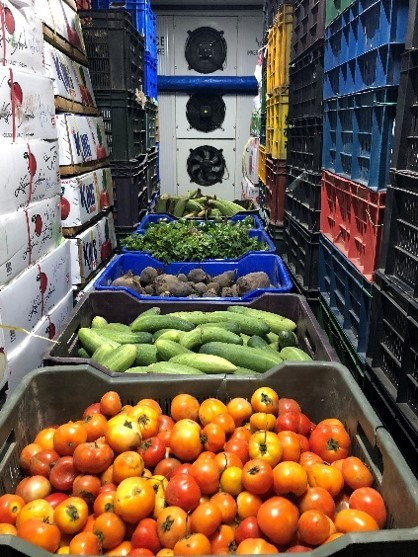
These rooms typically operate between +2°C and +5°C for dairy and +4°C to +8°C for fresh produce. Proper humidity control (85–95%) is essential to reduce shrinkage losses.
2.Freezer Rooms (-18°C to -25°C)
Applications:
- Frozen meat and poultry
- Ice cream
- Seafood exports
- Frozen processed food
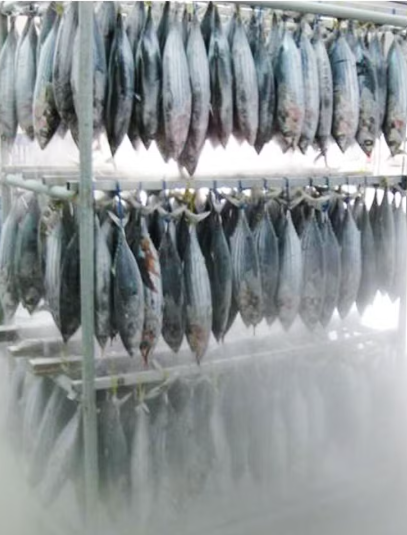
Standard operating temperature: -18°C (as per international frozen food standards). Blast freezers may operate at -35°C to -40°C for rapid freezing.
3.Pharmaceutical Cold Rooms (2°C to 8°C and Controlled Environments)
Applications:
- Vaccines
- Insulin
- Biotechnology products
- API storage
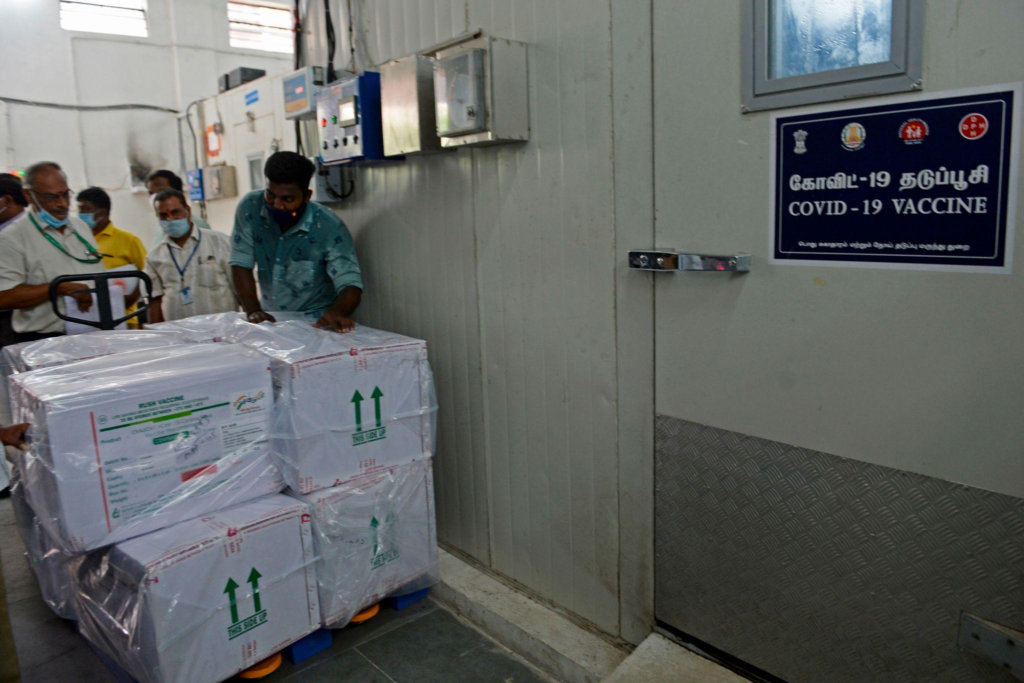
Temperature stability tolerance: ±1°C. These systems require:
- Redundant refrigeration units
- 24/7 temperature monitoring
- Validation and GMP compliance
- Alarm and BMS integration
Applications Driving the Scope of Cold Rooms in Indian Economy
1. Agriculture & Horticulture
India is the second-largest producer of fruits and vegetables globally. However, post-harvest losses range between 15–25% due to inadequate cold chain infrastructure.
Cold rooms:
- Extend shelf life
- Stabilize market prices
- Enable export-quality storage
- Reduce wastage significantly
Government-backed schemes such as:
- National Centre for Cold-chain Development
- Ministry of Food Processing Industries
have accelerated adoption through subsidies and viability gap funding.
2. Pharmaceutical & Vaccine Industry
India is known as the “pharmacy of the world.” Organizations like Serum Institute of India rely heavily on validated cold rooms for vaccine preservation and global export.
The COVID-19 pandemic highlighted the need for:
- Ultra-low temperature storage
- Distributed cold chain networks
- Reliable backup power infrastructure
Pharmaceutical cold storage is now one of the fastest-growing segments in the Indian cold room market.
3. Food Processing & Organized Retail
The rise of:
- Supermarket chains
- Quick commerce
- E-commerce grocery platforms
- Cloud kitchens
has significantly increased demand for decentralized cold rooms in urban areas.
Cold rooms are now standard in:
- Central kitchens
- Food distribution hubs
- Meat processing plants
- Dairy cooperatives
4. Seafood & Export Industry
India is a major exporter of frozen shrimp and marine products. Export facilities require:
- Pre-cooling rooms
- Blast freezers
- IQF tunnels
- Frozen storage at -20°C
Strict compliance with global food safety standards drives advanced refrigeration system design.
Rise in Infrastructure Requirements
1. Increasing Cold Chain Gap
India still has a significant gap between production and cold storage capacity. Industry reports estimate that cold storage demand is growing at 8–10% CAGR, particularly in Tier-2 and Tier-3 cities.
Infrastructure requirements include:
- Energy-efficient refrigeration systems
- Insulated PUF panels
- Vapor barriers
- Floor heating systems for freezer rooms
- IoT-based temperature monitoring
2. Energy Efficiency & Sustainability
Energy consumption accounts for 60–70% of operating costs in cold rooms.
Adoption trends include:
- Ammonia and CO₂ refrigeration systems
- Variable Frequency Drives (VFDs)
- Solar-integrated cold storage
- Compliance with Bureau of Energy Efficiency guidelines
- Alignment with ASHRAE standards
For global best practices, professionals often refer to guidance from ASHRAE (www.ashrae.org).
Demand Drivers for Cold Rooms in India
Key Factors:
- Rising middle-class consumption
- Growth in processed food industry
- Expansion of pharmaceutical exports
- Government cold chain subsidies
- Increasing FDI in food retail
- Demand for temperature-controlled logistics
Emerging Trends:
- Modular prefabricated cold rooms
- Rental cold storage models
- Multi-commodity storage facilities
- Hybrid solar-diesel backup systems
- Smart remote monitoring via BMS
Economic Impact of Cold Rooms in Indian Economy
The expanding scope of cold rooms in Indian economy contributes to:
- Reduction in agricultural wastage
- Increased farmer income
- Boost in food exports
- Job creation in refrigeration sector
- Growth in HVACR engineering services
- Development of rural infrastructure
Cold rooms are not just storage units they are economic stabilizers in a country with seasonal production variability.
Technical Considerations for Cold Room Projects
From a HVACR professional perspective, successful cold room design requires:
1. Load Calculation
- Transmission load
- Product load
- Air infiltration load
- Equipment load
2. Refrigeration System Selection
- Direct expansion (DX)
- Centralized rack systems
- Ammonia systems (for large facilities)
3. Insulation Thickness
- 60–80 mm for chilled rooms
- 100–150 mm for freezer rooms
4. Air Distribution
Uniform airflow prevents hot spots and maintains temperature stability.
Frequently Asked Questions (FAQ)
1. What is the typical temperature range of cold rooms in India?
Chilled rooms operate between 0°C to +8°C, while freezer rooms operate between -18°C to -25°C depending on product requirements.
2. Why is cold room infrastructure important for Indian agriculture?
It reduces post-harvest losses, stabilizes prices, increases shelf life, and enhances export capability.
3. How fast is the cold storage industry growing in India?
The industry is growing at approximately 8–10% annually due to demand from food processing and pharmaceuticals.
4. What are the main energy challenges in cold rooms?
High electricity consumption, poor insulation, and outdated compressors increase operational costs.
5. Are government subsidies available for cold rooms in India?
Yes, various central and state government schemes provide financial assistance for cold chain development.
Conclusion
The scope of cold rooms in Indian economy is vast and continuously expanding. From farm level pre-cooling units to pharmaceutical-grade temperature controlled facilities, cold rooms are becoming essential infrastructure for national growth.
India’s transition toward organized retail, processed foods, and global pharmaceutical exports will further accelerate demand. For engineers, consultants, and facility managers, this sector presents immense technical and economic opportunities.
Cold storage is no longer just a facility it is a strategic economic asset.
Call to Action
Are you planning a cold room project or upgrading your existing facility?
Subscribe to our blog for expert insights on refrigeration design, HVAC best practices, and energy optimization strategies.
Contact us for professional consultation support.

