
Psychrometric Chart Calculator — Humidity, Dew Point & Enthalpy
Psychrometric Chart Calculator — Humidity, Dew Point & Enthalpy Read More »
AHU Evaporator Coil Cleaning: The Silent Energy Drain You Cannot Afford to Ignore Imagine commissioning a new Air Handling Unit with a design fan static pressure of 800 Pa and a supply airflow of 15,000 m³/h. Three years into operation, the system airflow has quietly fallen to 11,500 m³/h while the fan motor is drawing
AHU Evaporator Coil Cleaning: Beat Biofouling & Save Energy Read More »
ColdChain Selector — TheHVACLab Energy Solutions ColdChain SelectorFreezer & Refrigerator Recommendation Tool EN தமிழ் Tell us what you’re storing. We’ll tell you what to buy. Most freezer purchases go wrong at the first step — matching the wrong product to the wrong equipment. This tool checks the actual storage temperature and humidity your products need,
Cold Chain Selection Tool Read More »
Product Storage Request — TheHVACLab Cold Chain Solutions Multi-brand freezer & refrigeration advisory EN தமிழ் What are you looking to store? Tell us what you’ll keep in the unit and roughly how much — we’ll match it to the right equipment and get back to you with options and pricing. Takes under a minute. 1.
Freezer / Visi Coolers Enquiry Form Read More »
AHU Psychrometric & KPI Calculator | TheHVACLab Technologies TheHVACLab Technologies AHU Psychrometric & KPI Calculator ASHRAE Compliant SI Units Field-Ready Psychrometrics KPI Engine Fan / SFP Energy Penalty FDD Rules ℹ Enter DB + RH (or DB + WB) for each state point. The calculator computes enthalpy, humidity ratio, ADP, BPF, SHR, and coil capacity.
The A2L Refrigerant Revolution | HVACR Technical Blog HVACR Technical Blog · March 2026 The A2L RefrigerantRevolution Is Here Technical Analysis · 18 min read · Updated March 2026 R-410A is gone from new equipment. R-454B and R-32 are taking over. Here’s everything HVACR engineers, contractors, and facility managers need to know about the A2L
The A2L RefrigerantRevolution Is Here Read More »
TheHVACLab Energy Solutions — Psychrometric Analysis Report TheHVACLab CFM CMH LIVE CALC Export PDF 🌡Air Properties ❄Cooling Analysis 🔀Air Mixing 📈Psychrometric Chart Air State Inputs Dry-bulb temperature & relative humidity Dry Bulb Temp °C Relative Humidity % Run Analysis Constants — ASHRAE Fundamentals Atmospheric Pressure101.325 kPa Dry Air Cp1.006 kJ/kg·K Water Vapour hfg2501 kJ/kg Water
TheHVACLab – HVAC Engineering Platform TheHVACLab Engineering Platform Psychrometric Engine Cooling Load Engine Air Mixing Engine Air State Input Dry Bulb (°C) Input Method Relative HumidityWet Bulb Relative Humidity (%) Wet Bulb (°C) Pressure (kPa) Calculate Air Properties Air Properties Dry Bulb — RH — Wet Bulb — Humidity Ratio — Enthalpy — Dew Point
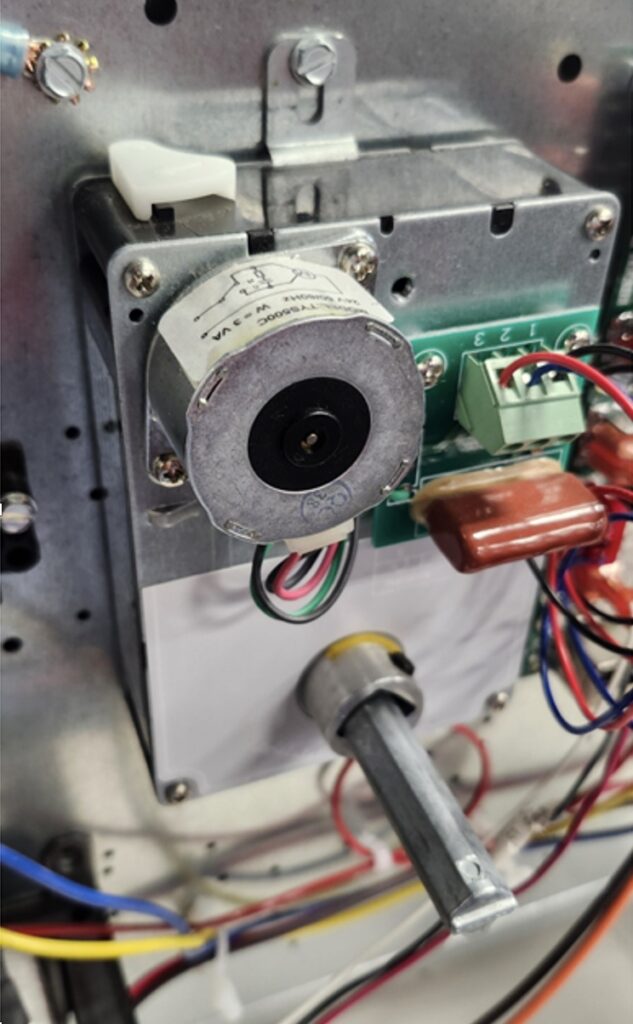
The role of VAV in commercial buildings has become central to modern HVAC design, especially where energy efficiency, occupant comfort, and zoning flexibility are critical. Variable Air Volume (VAV) systems are widely used in offices, hospitals, schools, airports, and high-rise buildings because they deliver conditioned air based on actual demand not constant airflow. For HVAC engineers, facility
Role of VAV in Commercial Buildings: How It Works and Why It Matters Read More »