
HVAC Design

Worldmap

How to Use ASHRAE Climatic Data for HVAC Comfort Applications

When it comes to HVAC design and energy analysis, climate is the foundation. The performance of any cooling or heating system is deeply tied to outdoor temperature, humidity, and seasonal patterns. Without accurate climatic data, even the most advanced HVAC equipment can fail to deliver comfort or consume excessive energy. This is where ASHRAE Meteo-Climatic […]

How to Use ASHRAE Climatic Data for HVAC Comfort Applications Read More »
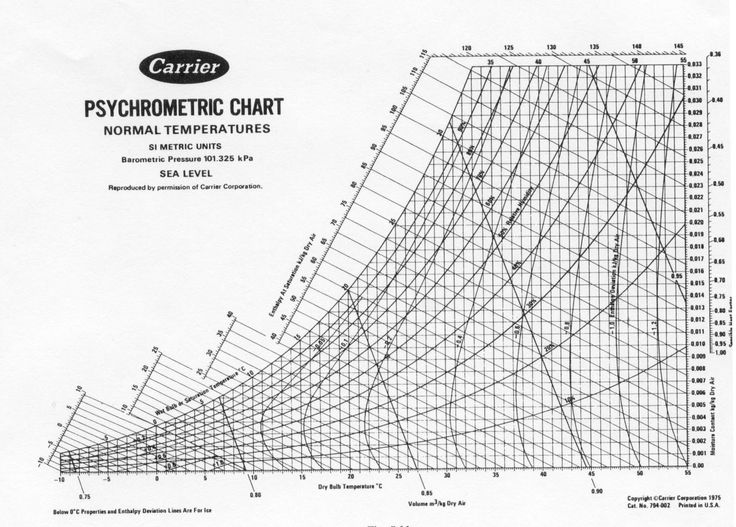
Psychrometric chart showing enthalpy lines

How to Calculate the Total Heat Load in HVAC Systems

Introduction Understanding how to calculate the total heat load is essential for HVAC engineers, students, and facility managers. The total heat load determines the cooling capacity required for maintaining desired indoor conditions. It is a combination of sensible heat load (temperature-related) and latent heat load (moisture-related), and accurate calculation ensures optimal system sizing, efficiency, and

How to Calculate the Total Heat Load in HVAC Systems Read More »

Image 48

Top 7 ASHRAE Standards Every HVAC Engineer Must Know

In the rapidly evolving world of HVAC design and energy engineering, adherence to established standards is essential for achieving efficiency, safety, comfort, and sustainability. The American Society of Heating, Refrigerating and Air-Conditioning Engineers (ASHRAE) publishes globally recognized standards that form the backbone of modern HVAC system design and operations. This article outlines the Top 7 ASHRAE Standards every

Top 7 ASHRAE Standards Every HVAC Engineer Must Know Read More »

What is COP vs EER vs SEER: Which HVAC Efficiency Rating Saves You the Most Money?

If you’re shopping for an energy-efficient air conditioner or heat pump, you’ve probably come across the terms COP, EER, and SEER. Understanding these HVAC efficiency ratings can help you make the smartest decision to reduce your electricity bills and improve comfort.. While these ratings might seem technical, they play a crucial role in determining how

What is COP vs EER vs SEER: Which HVAC Efficiency Rating Saves You the Most Money? Read More »

Untitled Design 9 1024x576

How to Prepare for LEED Green Associate Exam ?

We spend most of our time indoors, and buildings account for significant energy consumption. Various components, such as mechanical HVAC systems, electrical lighting fixtures, water flow fixtures, and construction materials, contribute to a building’s environmental impact. Additionally, the location of a building can influences the environment through factors like vehicular emissions and land use. To

How to Prepare for LEED Green Associate Exam ? Read More »

0

Subtotal