
Scope of Energy Auditors in India: Jobs, Salary, Skills & Future Growth
The scope of energy auditors in India is increasing rapidly as industries, commercial buildings, and government agencies focus on reducing energy consumption. India’s commitment to sustainability, combined with the Energy Conservation Act and BEE requirements, has created strong demand for qualified energy auditors across the country.
Why the Scope of Energy Auditors in India Is Growing
India is one of the world’s largest energy consumers. As a result, industries are searching for ways to lower operating costs and improve energy efficiency. Strong policies and rising utility bills are major drivers behind this growth.
1. Government-Mandated Energy Audits under the EC Act
The Energy Conservation Act (2001) requires designated consumers (DCs) to conduct regular energy audits. These audits must be completed by BEE Certified Energy Auditors, which significantly increases job demand.
2. Growth in Commercial Buildings and HVAC Systems
Commercial buildings in India use a large share of electricity, and HVAC systems are typically the main contributors. Companies hire auditors to reduce HVAC energy consumption and improve system efficiency, making the profession even more important.
3. Push Toward Net-Zero and Sustainability
India’s net-zero target has made energy efficiency a national priority. Because of this, energy auditors play a key role in achieving sustainability and cost-reduction goals.

Career Opportunities within the Scope of Energy Auditors in India
Energy auditors work across industrial, commercial, and government sectors. This diversity ensures a broad and stable career path.
Industrial Opportunities
Energy auditors are employed in:
- Power plants
- Cement and steel industries
- Oil and gas refineries
- Food processing units
- Data centers
Commercial Building Sector
Commercial energy audits are growing due to ECBC requirements. Common employers include airports, hospitals, malls, hotels, and corporate IT parks.
Consulting Firms and ESCOs
Many certified auditors work with:
- Energy efficiency consulting firms
- Green building consultants
- HVAC commissioning teams
- Energy Service Companies (ESCOs)
Government and Public Sector Roles
Energy auditors find opportunities in:
- Bureau of Energy Efficiency (BEE)
- State Designated Agencies (SDAs)
- Public sector undertakings (PSUs)
Entrepreneurship
Because businesses must reduce energy consumption, many auditors start consulting firms, ESCOs, or independent assessment businesses.
Skills Required to Grow in This Field
Technical Skills
- HVAC system auditing
- Boiler efficiency analysis
- Electrical system evaluation
- Compressed air and pumping system audits
- Thermal energy assessment
- Power quality measurement
Software Knowledge
- RETScreen
- EnergyPlus
- eQuest
- Excel-based energy models
- BAS and BMS monitoring interfaces
Soft Skills
- Technical report writing
- Communication skills
- Regulatory compliance knowledge
- Project management
These skills directly support the expanding scope of energy auditors in India and make professionals more competitive.

Salary Trends for Energy Auditors in India
Below is the typical salary range:
| Experience Level | Annual Salary (INR) |
|---|---|
| Entry Level | ₹3,00,000 – ₹5,50,000 |
| Mid-Level | ₹6,00,000 – ₹12,00,000 |
| Senior Level | ₹12,00,000 – ₹20,00,000 |
| BEE Certified Auditor | ₹15,00,000+ |
| Consultant/Firm Owner | ₹20,00,000 – ₹50,00,000+ |
BEE certification significantly improves earning potential due to regulatory requirements.
How to Become an Energy Auditor in India
BEE Certification (Mandatory)
To work as a certified auditor, candidates must clear the BEE Certified Energy Auditor Exam. Eligibility includes:
- Engineering degree with 3 years of experience
- OR Diploma with 6 years of experience
The exam includes papers on energy efficiency, thermal systems, electrical systems, and energy performance calculations.
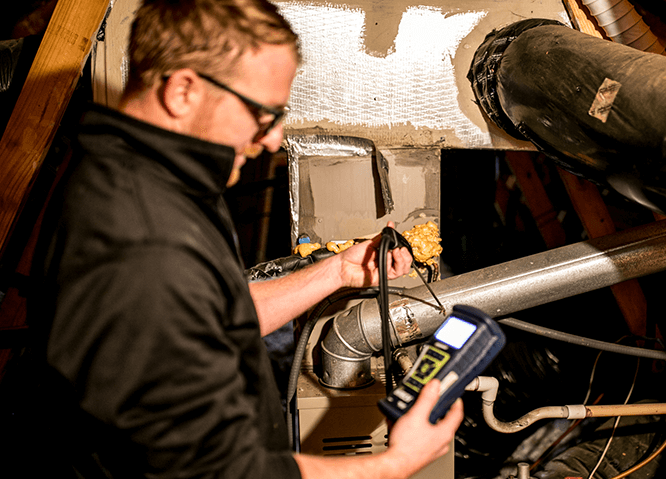
Future Scope of Energy Auditors in India
The future looks strong due to multiple trends:
Smart Buildings and IoT-Based Monitoring
More buildings now use smart meters and IoT platforms, increasing the need for skilled auditors who can analyze advanced data.
Strong Growth of the ESCO Model
Energy Service Companies are expanding rapidly in India. This growth opens new long-term project opportunities.
Expansion of ECBC Implementation
More states are implementing ECBC for large buildings, making energy audits more common.
Global Opportunities
Indian auditors are in demand across the Middle East, Southeast Asia, and Africa due to their strong technical training.
References
These are credible sources you can hyperlink in WordPress:
- Bureau of Energy Efficiency (BEE): https://beeindia.gov.in
- Energy Conservation Act (2001): https://beeindia.gov.in/energy-conservation-act
- ECBC Code: https://beeindia.gov.in/ecbc
- ISO 50001 Standard: https://www.iso.org/standard/69
FAQs About the Scope of Energy Auditors in India
1. Is energy auditing a good career in India?
Yes. The scope of energy auditors in India is expanding quickly due to rising energy costs, sustainability initiatives, and government-mandated audits.
2. What industries hire energy auditors?
Industries such as steel, cement, textiles, power plants, commercial buildings, data centers, and oil refineries hire energy auditors.
3. What is the salary of a BEE Certified Energy Auditor?
Most certified auditors earn between ₹12 lakh and ₹20 lakh annually, with higher earnings for consultants.
4. Is BEE certification necessary?
Yes. Only Accredited Energy Auditors can perform mandatory energy audits for designated consumers in India.
5. Does this field have future growth?
Absolutely. Smart buildings, net-zero targets, and ECBC expansion ensure long-term demand.
If you want more HVACR career guides, energy efficiency insights, or industry updates, stay connected with TheHVACLab or contact our team for expert support.